Can You Use Emoji in Professional Emails? (A Flowchart)
Is a thumbs up appropriate in your quarterly report email? The definitive guide to emoji etiquette in professional communication.
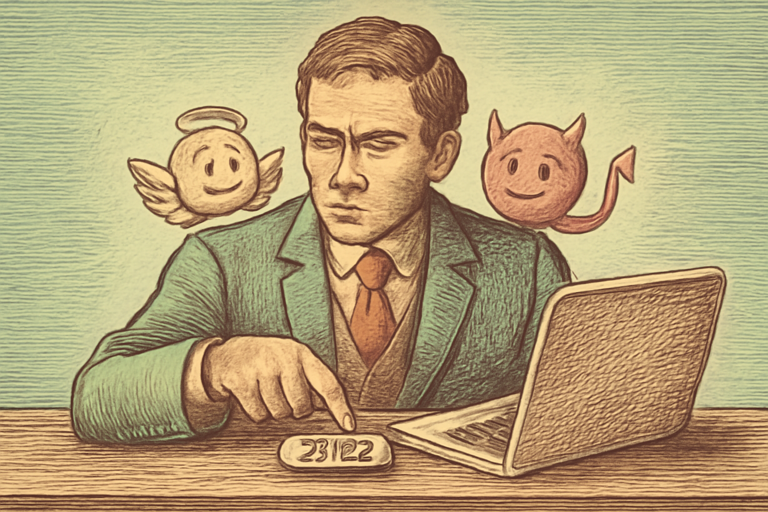
You’ve typed a professional email. It’s good. Clear, concise, actionable. Then you hover over the send button and think: “Should I add a smiley face?”
This question has caused more workplace anxiety than any deadline. Let’s settle it.
The Flowchart
Are you emailing your boss?
- If they use emoji first: you may use emoji back.
- If they don’t: you don’t. Mirror their energy.
Are you emailing a client?
- First email: absolutely not.
- After they’ve used emoji: carefully, yes.
- After working together for months: probably fine.
Are you emailing your team?
- Slack/Teams: emoji are expected and encouraged.
- Email: light emoji use is fine. No more than one per email.
- Performance reviews: zero emoji. None. Not even a period that looks like one.
The Safe List
These emoji are generally safe in professional contexts:
- Thumbs up when confirming something
- Check mark for completed items
- Slightly smiling face (not the full grin, not the teeth)
- Folded hands (thank you/please)
The Danger List
These will get you side-eyed in a professional email:
- The skull (even if something is “dead funny”)
- The eggplant (we all know why)
- The clown (never call a client a clown, even indirectly)
- The fire (unless something is literally on fire, in which case email is the wrong medium)
- Any combination of more than 3 emoji in a row
The Generation Gap
Here’s the uncomfortable truth: emoji interpretation varies by generation.
- A thumbs up to someone over 40 means “agreed, sounds good.”
- A thumbs up to someone under 25 can read as passive-aggressive or dismissive.
- A period at the end of a text means “I’m done talking” to Gen Z and “I’m using correct grammar” to everyone else.
When in doubt, use words. Words have less room for misinterpretation than tiny yellow faces.
Subject Lines: The Emoji Sweet Spot
Email subject lines with emoji have 5-10% higher open rates in marketing emails. But this varies by industry. An email from a hip D2C brand with a sun emoji? Feels right. An email from your accounting firm with a money bag emoji? Feels weird.
Check your subject line vibes with an email subject checker. It analyzes length, word choice, and spam trigger words (which some emoji can trigger).
The Tools
- Browse and copy the right emoji with the emoji picker instead of scrolling through your phone’s tiny keyboard
- Make your email signature professional with the email signature generator (no emoji in signatures, ever)
The Real Answer
Emoji in professional emails are like cologne: a little goes a long way, too much is a problem, and you should read the room before applying any.
When the stakes are low and the relationship is established, a single, well-placed emoji adds warmth. When the stakes are high or the relationship is new, stick to words. There’s a reason lawyers don’t use smiley faces in contracts.